Alphabet Anatomy

Blog

Green letter with sneakers, standing on a grassy field with blue skies.
Blog

The Psychology of Learning Letters: Why Visual Learning Works Best

When it comes to teaching young children the alphabet, traditional methods like rote memorization often fall short of engaging them or promoting deep, lasting learning. One of the most effective ways to teach children new concepts especially the alphabet is through visual learning. The psychological benefits of using visuals to teach the alphabet are immense, helping to speed up the learning process and improve both retention and understanding. But what makes visuals so powerful in the realm of early childhood education?  Understanding the Power of Visuals in Learning  Human brains are wired to process visual information quickly and efficiently. According to cognitive psychology, the brain processes images 60,000 times faster than text. This is why children tend to respond more positively to visual stimuli, particularly during the early stages of learning. When we incorporate visuals into the process of teaching letters, we engage the brain’s natural ability to recognize patterns, shapes, and associations.  For example, when children see the letter “A” paired with an image of an apple, they don’t just see a letter and hear a sound; they immediately begin to connect that symbol with something concrete a real-world object they can recognize. This process of associating abstract symbols (letters) with tangible images helps children create strong mental connections, making it easier for them to remember and recognize letters in the future.  Visual Learning and Memory Retention  Research in cognitive psychology shows that visuals can significantly enhance memory retention. This is because our brains store visual information more readily and are better at recalling it later compared to abstract data. This principle is known as the picture superiority effect. Essentially, people are much more likely to remember an image than a word alone. For young learners, this effect is incredibly beneficial. When letters are taught through visual representations (such as animals, objects, or even characters), they are stored in the child’s long-term memory more efficiently.  This visual association can also help prevent confusion. For example, children might struggle to distinguish between similar-looking letters like “b” and “d.” However, by pairing these letters with distinct visuals like a “b” for “bat” and a “d” for “dog” children can more easily differentiate between the two. The visual cues provide context and meaning, which enhances their ability to recall the letter correctly in the future.  The Role of Visuals in Phonemic Awareness  One of the essential skills children develop as they learn the alphabet is phonemic awareness the ability to recognize and manipulate the sounds of spoken words. Visual learning helps link each letter with its corresponding sound, which is a fundamental aspect of early literacy development. For instance, when a child sees the letter “C” paired with a cat, they are not only seeing the shape of the letter but also hearing and understanding its sound (“/k/”). This multi-sensory experience seeing the letter, hearing its sound, and recognizing the word it represents enhances their phonemic awareness, providing a solid foundation for reading and writing.  Research has shown that phonemic awareness is one of the strongest predictors of later reading success. Visual learning aids in building this awareness by providing consistent and clear representations of how letters correspond to sounds, making the learning process faster and more intuitive for young children.  Visual Learning Supports Multiple Learning Styles  Children are not all the same when it comes to how they learn best. While some children are more auditory learners, others are kinesthetic, and still others are visual learners. Visual learning strategies such as those found in Alphabet Anatomy and similar tools accommodate a wide range of learning styles, making them effective for all children, regardless of their primary learning preference.  Incorporating visuals into the process of learning letters also supports kinesthetic learning. By encouraging children to trace the letters or interact with the visuals through hands-on activities, children can engage in tactile learning, which reinforces their understanding of the alphabet through muscle memory. This combination of visual, auditory, and physical learning promotes a well-rounded and deeply ingrained understanding of the alphabet.  How Visual Learning Speeds Up the Learning Process  Visual learning accelerates the learning process by making the content more accessible and memorable. When children are given visual cues, they can understand concepts faster, as they can immediately link abstract ideas to real-world objects or familiar images. The brain’s ability to process visual stimuli quickly also means that children can grasp new information in less time. Furthermore, visuals encourage active engagement rather than passive learning, helping children stay focused and motivated.  By reducing the cognitive load associated with abstract learning, visual aids make the alphabet more relatable, helping children understand the material with less effort. This not only speeds up learning but also builds confidence, as children begin to see faster progress in their ability to recognize and understand letters.  Conclusion  The psychological benefits of using visuals to teach the alphabet are profound. Visual learning taps into the brain’s natural ability to process images quickly, enhancing memory retention, phonemic awareness, and understanding of abstract concepts. By pairing letters with meaningful, familiar visuals, children create strong associations that make learning easier and faster. As children engage in visual learning, they become more motivated, confident, and prepared for future literacy success. With the right tools and approach, such as those found in Alphabet Anatomy, parents and educators can provide young learners with the foundation they need to thrive in their educational journey. 
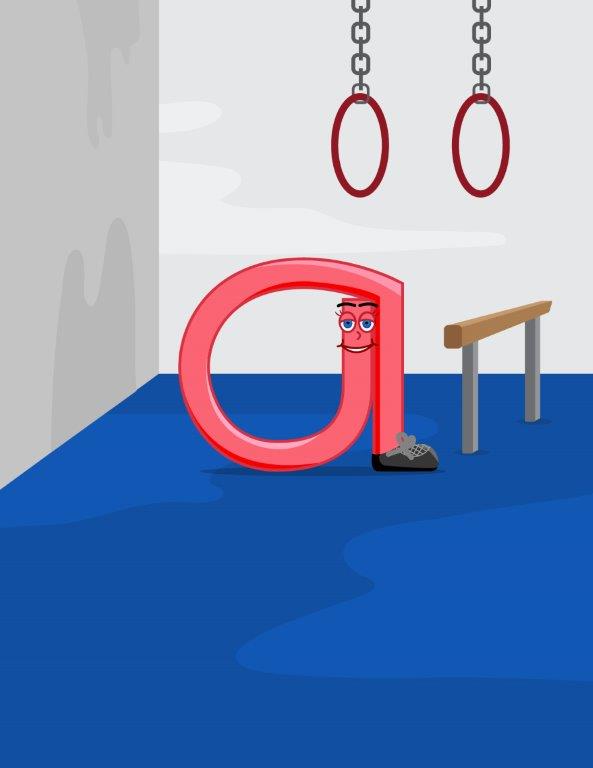
Red letter 'A' with a playful, gymnastic theme and rings in the background.
Blog

From A to Z: Understanding the Science Behind Alphabet Anatomy

In early childhood education, the process of learning the alphabet is one of the first building blocks of literacy. While recognizing letters is essential, understanding their sounds, shapes, and connections to words is equally crucial. This is where Alphabet Anatomy comes in an innovative approach that combines visuals, storytelling, and interactive activities to make letter recognition and pronunciation easier and more engaging for young learners. By tapping into how children’s brains process visual information, this approach provides an effective way to teach letters and sounds.  The Power of Visual Learning  One of the fundamental aspects of Alphabet Anatomy is its focus on visual learning. Research shows that young children are highly visual learners, meaning they absorb information best when it is presented in a visual format. The use of visuals, such as pictures and illustrations, helps children create mental images that are linked to the letters of the alphabet. This visual connection makes it easier for children to remember and recognize the shapes of letters.  For example, each letter in Alphabet Anatomy is paired with a vivid and relatable image. The letter “A” might be paired with an apple, while “B” could feature a bear. This use of familiar objects and animals helps children not only recognize the letter but also understand its association with a word. When children see the letter “A” and the apple image together, they begin to make a connection between the letter and the object, strengthening their memory.  Connecting Letters with Sounds: Phonemic Awareness  Along with visual representation, Alphabet Anatomy incorporates phonemic awareness an essential skill for early literacy. Phonemic awareness refers to the ability to recognize and manipulate the individual sounds (phonemes) in words. In Alphabet Anatomy, each letter is linked to a specific sound, and this association is reinforced through storytelling and interactive activities.  For instance, as children learn about the letter “A,” they are encouraged to say the letter’s sound, “/æ/,” as in the word “apple.” By hearing and saying the sound associated with each letter, children begin to understand how letters are used to form words. This phonemic connection helps children develop an understanding of how spoken language translates into written symbols, setting the stage for later reading and writing skills.    Storytelling: Making Letters Come to Life  Another powerful element of Alphabet Anatomy is its use of storytelling. Storytelling helps engage children’s imaginations and emotions, making the learning process more memorable. Instead of just presenting the letter “C” as an abstract symbol, Alphabet Anatomy brings it to life by creating stories around characters, animals, or objects that begin with that letter. For example, the letter “C” might be associated with a curious cat who loves to explore. Through this story, children learn that “C” represents the sound “/k/,” and they are also introduced to vocabulary words like “cat” and “climb.”  Storytelling not only helps children understand the sounds associated with each letter but also reinforces their vocabulary and comprehension skills. As children follow the stories and characters, they develop a deeper connection to the letters, making learning more fun and meaningful.  Hands-On Learning: Interactive Activities  In addition to visuals and storytelling, Alphabet Anatomy encourages active participation through interactive activities. Hands-on learning allows children to engage with the material in a way that strengthens their understanding of the alphabet. Whether it’s tracing the letter shapes, coloring pictures, or matching letters to corresponding objects, these activities help reinforce the child’s learning and create a more immersive experience.  When children trace letters or use tactile materials, they are physically engaging with the letter shapes, which can help improve their motor skills while reinforcing letter recognition. These activities also promote kinesthetic learning, which involves learning through movement. By combining visual, auditory, and physical elements, Alphabet Anatomy supports multiple learning styles, making it effective for a wide range of children.  Building a Strong Foundation for Literacy  The goal of Alphabet Anatomy is not just to teach children to recognize letters but to help them build a comprehensive understanding of how letters function in language. By linking letters to sounds, words, and stories, Alphabet Anatomy creates a well-rounded learning experience that fosters strong literacy skills from the start. As children progress through the book, they are not just memorizing the alphabet they are learning how letters work together to form words, laying the groundwork for reading and writing skills that will support them throughout their academic journey.  Conclusion  The science behind Alphabet Anatomy is rooted in the understanding that young children learn best when they can connect visual, auditory, and physical elements. By combining vivid illustrations, storytelling, and interactive activities, Alphabet Anatomy provides a dynamic and engaging way for children to learn letter recognition and pronunciation. Through this multi-sensory approach, children are not just learning the alphabet they are building the foundation for a lifetime of reading, writing, and learning. 

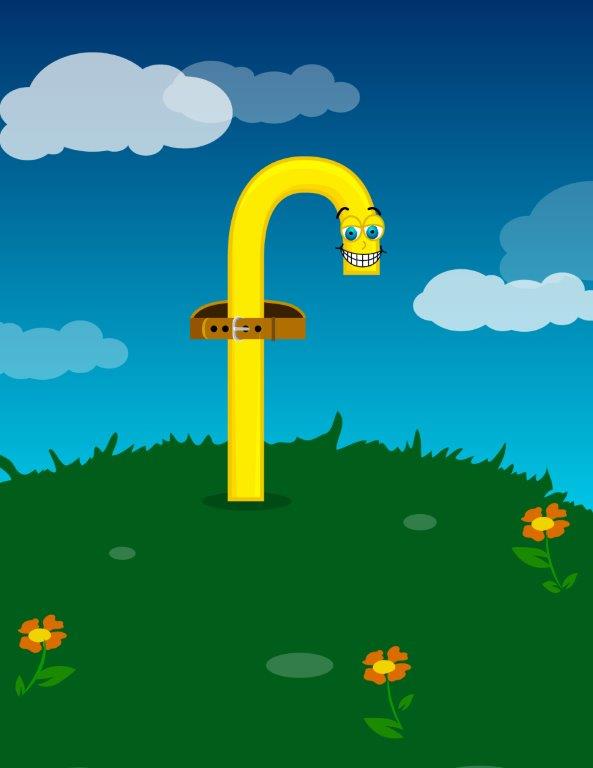
Yellow letter 'F' with a smiling skull and belt on top, standing on grassy ground with flowers.
Blog

Tips for Parents: How to Make Letter Learning Fun and Effective

As parents, one of the most important things you can do to support your child’s early education is help them learn the alphabet. The ability to recognize letters and understand their sounds is the foundation for reading and writing, which are crucial skills for success in school and beyond. However, the process of learning the alphabet can sometimes feel daunting for both parents and children. Fortunately, tools like Alphabet Anatomy make learning the alphabet fun, engaging, and highly effective.  Here are some practical tips for parents on how to integrate Alphabet Anatomy into their child’s daily routine, making letter learning enjoyable and rewarding for both you and your little one.  Create a Daily Routine The key to mastering the alphabet is consistent practice, but that doesn’t mean it has to be a tedious or lengthy process. Create a simple, daily learning routine that includes time for Alphabet Anatomy. Whether it’s 10 minutes after breakfast or a 15-minute session before bed, setting aside a specific time each day helps reinforce learning and makes it a part of the child’s regular routine. Consistency is essential for young children to retain the material and build familiarity with the letters.  Incorporate Interactive Activities Alphabet Anatomy isn’t just a book to flip through it’s a dynamic learning tool designed to keep children engaged through interactive activities. Encourage your child to actively participate by tracing the letters, coloring the illustrations, or completing fun puzzles that are integrated into the Alphabet Anatomy book. These hands-on activities help improve motor skills while reinforcing the child’s understanding of the letters and their sounds. Ask your child to point to the letter as they say its name and sound aloud, which will further enhance their memory and recognition.  Make It a Game Children love games, and turning letter learning into a playful activity can help maintain their interest. You can use Alphabet Anatomy to create simple, engaging games at home. For example, you could play a “Letter Hunt” where your child has to find objects around the house that start with the letter of the day. If the focus is on the letter “B,” your child might look for a ball, a book, or a blanket. This game encourages exploration while reinforcing letter recognition in a real-world context.  Another fun game is “Letter Sound Match.” You can say a letter sound and ask your child to point to the corresponding letter on the page or find an object that starts with that sound. Making learning a game turns it into a fun challenge, helping children stay excited and motivated.  Use Flashcards for Extra Practice If you want to take learning beyond the book, Alphabet Anatomy’s letters can easily be turned into flashcards. Write each letter on an individual card, and on the back, write a word or picture that starts with that letter (like “A” with an apple). Use these flashcards to review the alphabet during daily activities, such as while you’re cooking, getting dressed, or driving. Flashcards offer a quick and easy way to reinforce learning and keep your child engaged throughout the day.  Incorporate Music and Rhymes Music is an excellent way to make letter learning both fun and memorable. Songs and rhymes are highly effective in helping children remember the alphabet. You can sing the traditional “ABC” song, or create your own alphabet songs that incorporate the letters and corresponding images from Alphabet Anatomy. You might also consider using videos or apps that feature catchy alphabet songs or animations to reinforce the learning.  When children hear the letters paired with music, they are more likely to internalize both the letter names and sounds. Singing together can also be a bonding experience, making learning feel like a fun activity rather than a chore.  Connect Letters to Real-Life Experiences Children learn best when they can connect what they’re learning to their everyday experiences. While using Alphabet Anatomy, encourage your child to point out things around the house, outside, or at the store that correspond to the letters they are learning. For example, if you’re learning the letter “D,” point out a dog, door, or donut. Connecting letters to real-life objects not only helps reinforce letter recognition but also makes learning feel practical and relevant.  Celebrate Progress with Praise and Rewards Every time your child successfully identifies a letter or participates in an activity, offer praise and encouragement. Positive reinforcement helps build confidence and motivates children to keep going. You can also offer small rewards for milestones, such as a sticker or an extra 10 minutes of playtime. Celebrating progress whether big or small creates a positive association with learning and encourages your child to continue mastering the alphabet.   8. Create a Learning Environment Lastly, make your child’s learning space visually stimulating and organized. Display the alphabet in your home, whether it’s on a poster, wall chart, or with colorful alphabet magnets on the fridge. This creates a constant reminder of the letters and reinforces what they’re learning throughout the day. A well-organized, visually appealing environment fosters a positive, focused atmosphere for learning.  Conclusion  Learning the alphabet is one of the most essential skills your child will develop, and it can be a fun and exciting experience when approached with the right tools and mindset. By integrating Alphabet Anatomy into your child’s daily routine, turning letter learning into interactive games, and connecting letters to real-world experiences, you create an environment that promotes both education and fun. With consistent practice and encouragement, your child will build a strong foundation in literacy that will serve them well as they continue to grow and learn. 

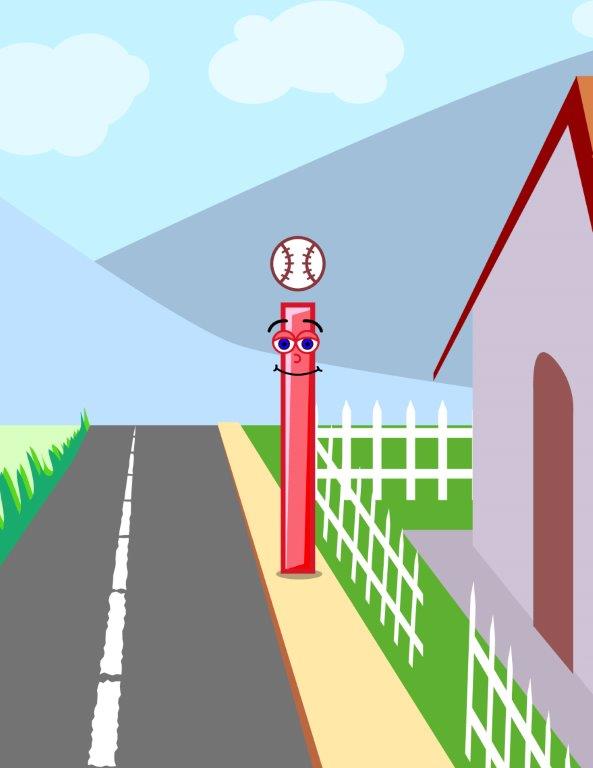
Red letter 'I' with baseball on top, standing by a road near a house with a white fence.
Blog

The Importance of Interactive Learning in Early Childhood Development

Early childhood is a crucial period for brain development, laying the foundation for lifelong learning and cognitive abilities. As children begin their educational journey, the way in which they are taught plays a significant role in shaping their understanding of the world around them. Traditional, passive learning methods such as listening to a teacher speak or reading from a textbook can only engage children to a certain extent. In contrast, interactive learning tools like Alphabet Anatomy offer a more engaging, hands-on approach that fosters active participation and deepens a child’s learning experience.  What is Interactive Learning?  Interactive learning refers to an educational method where children are actively involved in the learning process, rather than being passive recipients of information. This could involve activities such as games, hands-on projects, role-playing, interactive storytelling, and problem-solving tasks. The goal is to encourage children to engage with the material and participate in their learning experience, making it more dynamic and personalized.  For young learners, interactive learning tools are designed to meet their developmental needs by stimulating their natural curiosity and creativity. These tools allow children to explore, experiment, and discover concepts through direct involvement, rather than merely being told what to do or what things are. This approach helps to make learning more meaningful, enjoyable, and effective.  The Role of Interactive Learning in Early Childhood Development  Enhances Cognitive Development Interactive learning is vital for cognitive development in young children. Research has shown that children learn best when they can physically or mentally engage with the material. For example, when children use their hands to trace letters, color images, or participate in interactive activities like those in Alphabet Anatomy, they activate various areas of their brain, strengthening their memory and understanding of the material.  The hands-on nature of interactive learning helps children develop essential cognitive skills, such as problem-solving, critical thinking, and memory retention. As they actively participate in these activities, they are not just absorbing information they are processing it, reflecting on it, and learning to apply it in different contexts.  Promotes Language and Literacy Skills Interactive learning tools are particularly effective for fostering early language and literacy skills. Alphabet Anatomy, for instance, introduces children to the alphabet through engaging visuals and interactive activities. Instead of simply memorizing letters, children are encouraged to explore how letters sound, look, and connect to real-world objects. This multi-sensory experience helps children understand the relationship between letters and sounds (phonics), which is crucial for early reading and writing.  By involving children in the learning process, interactive tools like Alphabet Anatomy encourage verbal interactions and vocabulary development. As children engage in storytelling, discussions, and exploration, they build the language skills they need to communicate effectively, both verbally and in writing.  Fosters Social and Emotional Development Interactive learning tools also support social and emotional growth. When children participate in group activities or share interactive learning experiences, they develop important social skills such as teamwork, cooperation, and communication. Interactive learning encourages children to engage with their peers and educators, helping them develop a sense of community and belonging.  Furthermore, the interactive nature of the learning process fosters a sense of autonomy and confidence. As children are given the opportunity to make choices, solve problems, and actively participate, they gain a sense of accomplishment and pride in their work. This emotional engagement leads to increased motivation and a more positive attitude toward learning.  Increases Motivation and Focus Children are naturally curious, and they learn best when they are engaged with the material. Interactive learning tools like Alphabet Anatomy capture a child’s attention by turning learning into a fun, active experience. The use of engaging visuals, colorful illustrations, and activities keeps children interested and focused on the task at hand.  By providing a stimulating environment, interactive learning tools help children stay motivated to learn and explore. The more fun and engaging the experience, the more likely children are to stay engaged and excited about learning new concepts. This sense of enjoyment encourages lifelong learning habits and a desire for intellectual exploration.  Interactive Learning Tools in Action: The Alphabet Anatomy Example  Alphabet Anatomy is a perfect example of an interactive learning tool that promotes active participation. By pairing each letter with a fun, relatable image and encouraging children to trace, color, and interact with the letters, this tool makes the process of learning the alphabet both enjoyable and effective. Through these interactive activities, children develop not only letter recognition but also important motor skills, such as hand-eye coordination, fine motor control, and spatial awareness.  Moreover, Alphabet Anatomy provides opportunities for children to engage in storytelling, where they can bring the characters and concepts to life, fostering creativity and imagination. This blend of fun, hands-on learning activities makes Alphabet Anatomy an invaluable resource for early childhood education.  Conclusion  The importance of interactive learning in early childhood development cannot be overstated. By encouraging active participation, interactive learning tools like Alphabet Anatomy create engaging, dynamic experiences that foster cognitive, language, social, and emotional development. They transform traditional, passive learning into an enjoyable, meaningful, and effective process, helping children develop the skills and attitudes they need for lifelong success. As children engage with these tools, they become not just passive learners but active explorers, ready to take on new challenges with enthusiasm and curiosity. 

Scroll to Top