Alphabet Anatomy

Blog

Purple letter 'E' with a smiling face, lying on the floor next to a bed with a window showing the moon.
Blog

Why Interactive Books Are Essential for Modern Education

In today’s rapidly evolving educational landscape, traditional teaching methods are being increasingly complemented by modern tools that engage students in active learning. One of the most exciting developments in early childhood education is the rise of interactive books tools designed not only to teach content but also to actively involve children in the learning process. Alphabet Anatomy, a prime example of an interactive alphabet book, is a tool that goes beyond passive reading, helping children engage with letters through visual aids, activities, and storytelling. But why exactly are interactive books like Alphabet Anatomy so crucial in the context of today’s education?  Engagement and Motivation  One of the most significant challenges in modern education is keeping young learners engaged. The traditional, passive methods of teaching often fail to maintain a child’s attention for long periods. Interactive books like Alphabet Anatomy address this by offering an engaging, hands-on learning experience that encourages children to actively participate. Instead of simply reading the content, children trace letters, color pictures, and listen to stories, creating a multisensory experience that keeps them involved.  This engagement is particularly important in early education. Research shows that children are more likely to retain information when they are actively involved in the learning process. By prompting children to interact with the material, Alphabet Anatomy ensures that the learning process is more stimulating and enjoyable, which in turn motivates children to learn. Interactive books create a sense of excitement and curiosity, making the process of learning letters not only educational but also fun.  Supports Active Learning  Interactive books are designed to support active learning, a pedagogical approach that encourages children to take an active role in their education. In contrast to traditional methods, where children are often passive recipients of information, active learning promotes hands-on activities, problem-solving, and critical thinking. Alphabet Anatomy provides numerous opportunities for active learning. Children trace the letters, engage with illustrations, and make connections between letters and words, all of which help reinforce their understanding of the material.  Active learning fosters deeper cognitive engagement. For example, when children actively trace the letter “A” or participate in a story about an apple, they are not only learning the shape of the letter but also its sound, its connection to a word, and its application in real life. This kind of engagement helps children internalize the knowledge and retain it longer. Alphabet Anatomy, by promoting such interactive tasks, allows children to construct their own understanding of the alphabet, setting the stage for future learning and comprehension.  Promotes Critical Thinking and Problem-Solving  One of the benefits of interactive books is their ability to develop critical thinking and problem-solving skills in young children. Many interactive books, including Alphabet Anatomy, present learning in a way that encourages children to explore concepts on their own and solve problems. For example, while learning the letter “B,” children might encounter an activity where they match the letter to images of objects like a ball or a bird. This encourages them to think about the relationship between letters and the words they represent.  By introducing children to problem-solving tasks through fun, hands-on activities, interactive books like Alphabet Anatomy foster creativity and independent thinking. This not only aids in literacy development but also helps build foundational skills that will serve children well in all areas of learning, from math to science to social studies.  Tailors to Different Learning Styles  Another key advantage of interactive books is their ability to cater to different learning styles. In a classroom or homeschool setting, children have varying preferences and strengths when it comes to learning. Some are visual learners, while others are more auditory or kinesthetic. Interactive books like Alphabet Anatomy are designed to accommodate all of these learning styles by engaging multiple senses.  The book’s use of vibrant visuals helps visual learners connect letters with images, while the inclusion of storytelling and phonics reinforces auditory learning. The interactive tasks—such as tracing letters or coloring illustrations support kinesthetic learners who learn best through movement and hands-on engagement. By offering a multi-sensory approach to learning, Alphabet Anatomy ensures that children of all learning preferences can thrive.  Encourages Independent Learning  Finally, interactive books foster independent learning. As children engage with books like Alphabet Anatomy, they become active participants in their education. The hands-on nature of the book allows children to explore and practice independently, which is an important skill in today’s educational environment. As children’s complete activities, trace letters, and follow along with stories, they gain confidence in their ability to learn and solve problems on their own.  In an age where digital tools and self-paced learning are becoming more common, fostering independent learning is critical. Interactive books provide children with the opportunity to take charge of their learning while still having the support of a structured, engaging resource.  Conclusion  Interactive books like Alphabet Anatomy are essential tools in modern education because they engage children in active learning, promote critical thinking, cater to different learning styles, and foster independent learning. In a time when keeping children engaged in education is increasingly challenging, interactive books offer a solution that makes learning more dynamic, fun, and effective. By incorporating visuals, storytelling, and hands-on activities, Alphabet Anatomy not only helps children master the alphabet but also prepares them for lifelong learning by developing key cognitive and motor skills. 
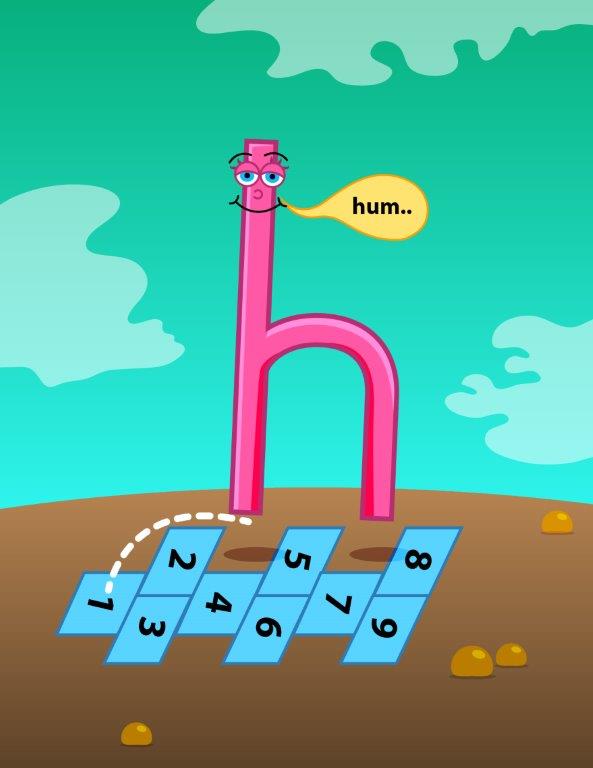
Pink letter 'H' with a speech bubble saying 'hum' and numbered tiles below.
Blog

Alphabet Anatomy and the Development of Fine Motor Skills in Children

The process of learning the alphabet is not only crucial for literacy development but also for the physical development of young children. While most people associate learning the alphabet with reading and writing, there is a significant link between letter learning and the development of fine motor skills. Fine motor skills refer to the small movements involving the fingers, hands, and wrists that are essential for tasks like holding a pencil, using scissors, and even tying shoes. Alphabet Anatomy, with its emphasis on visual representations and interactive activities, offers a unique approach to letter learning that simultaneously promotes the development of fine motor skills in children.  The Connection Between Learning Letters and Fine Motor Development  Children’s fine motor skills develop through practice and repetition, often involving activities that require precision and control of small muscle movements. Learning the alphabet provides numerous opportunities for children to practice these skills. For example, when children trace letters or practice writing them, they engage their finger and hand muscles, which helps to strengthen and refine motor control. Alphabet Anatomy incorporates a hands-on, interactive approach that encourages children to actively engage with the material, facilitating the development of these crucial skills.  Tracing Letters: Building Control and Coordination  One of the primary ways in which Alphabet Anatomy helps develop fine motor skills is through activities that involve tracing letters. Tracing letters requires children to use their fingers or a pencil to follow a set path, which strengthens their hand-eye coordination, grip, and control over hand movements. This process helps children develop the precision needed for writing and other tasks that require fine motor control.  The act of tracing also promotes muscle memory. As children repeatedly trace the shapes of letters, their hands become more accustomed to the motions involved in writing, helping them to build the dexterity needed for forming letters independently. Through repeated practice, they gradually gain confidence in their ability to write, which is an important part of early literacy development.  Alphabet Anatomy incorporates fun and engaging visuals that make this tracing activity more enjoyable for young children. By pairing each letter with an object or animal that they can relate to, the process of tracing becomes less of a chore and more of a creative exercise. For example, children can trace the letter “B” while engaging with an illustration of a bear. This association between the letter and the image makes the learning experience more dynamic and memorable.  Fine Motor Skills Through Coloring and Art Activities  In addition to tracing, Alphabet Anatomy incorporates coloring and art activities that help children further develop their fine motor skills. Coloring is an excellent way to strengthen hand muscles and improve coordination. By coloring within the lines of each letter or its associated image, children learn to control the movement of their hands and fingers. This skill is not only useful for writing but also for a variety of everyday tasks, such as eating, dressing, and using tools.  The coloring activities in Alphabet Anatomy are designed to be enjoyable, allowing children to freely express their creativity while reinforcing letter recognition. The more children engage with these activities, the more control they develop over their hand movements, which directly contributes to better motor coordination.  Hands-On Engagement: Multi-Sensory Learning  Another key aspect of Alphabet Anatomy is its focus on multi-sensory learning. The interactive activities, which combine visual, tactile, and kinesthetic elements, allow children to engage with letters in a variety of ways. This hands-on approach provides opportunities for children to use their hands and fingers in multiple contexts, enhancing the development of fine motor skills.  For instance, when children trace or write letters, they are using both their visual and tactile senses to learn. This combination of sensory input strengthens neural connections that help children improve their coordination and motor control. By linking each letter with a tangible, physical activity, Alphabet Anatomy makes the learning process more engaging while promoting physical development.  The Long-Term Impact on Writing and Daily Tasks  The development of fine motor skills through letter learning sets children up for success in later tasks, particularly writing. Mastery of writing letters, forming words, and eventually writing sentences relies heavily on fine motor control. When children practice writing letters early on through activities like those in Alphabet Anatomy, they are laying the groundwork for fluent handwriting and better academic performance in the future.  In addition to writing, the fine motor skills developed through letter learning are transferable to a wide range of activities in daily life. From eating with utensils to drawing, buttoning shirts, and using a computer mouse, fine motor skills are essential for independence and coordination in everyday tasks. By incorporating activities that strengthen these skills, Alphabet Anatomy provides a solid foundation for children’s physical and cognitive growth.  Conclusion  Alphabet Anatomy is more than just a tool for teaching the alphabet—it’s an educational experience that also fosters the development of fine motor skills. Through interactive activities like tracing, coloring, and hands-on engagement with visual representations, children are able to develop the hand-eye coordination, precision, and muscle memory necessary for writing and other tasks. These fine motor skills are not only critical for academic success but also for a wide range of everyday activities. By combining letter learning with physical skill development, Alphabet Anatomy ensures that children are prepared for both the cognitive and physical challenges they will face as they grow—making it a standout resource among Children’s Alphabet Books.  

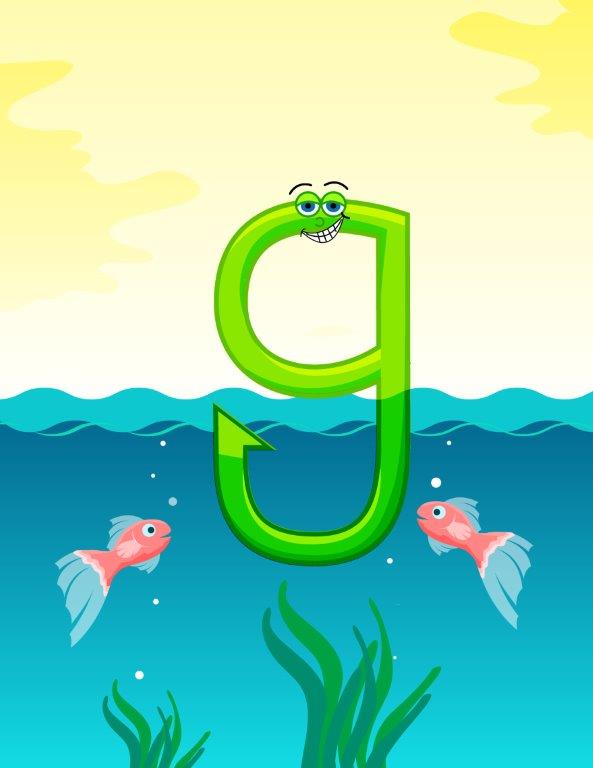
Green letter 'G' with a smiling face, surrounded by fish and underwater plants.
Blog

Understanding the Link Between Early Literacy and Academic Success

Research consistently highlights the critical role that early literacy skills, particularly letter recognition, play in a child’s academic success. One of the most important milestones in early education is learning the alphabet, as it forms the foundation for all future literacy skills. From reading and writing to spelling and comprehension, a child’s understanding of the alphabet significantly influences their overall academic achievement. Early alphabet learning, such as the one facilitated by Alphabet Anatomy, can have a profound impact on a child’s future educational trajectory.  The Connection Between Early Literacy and Academic Achievement  Numerous studies have shown a clear link between early literacy development and later academic success. According to research conducted by the National Early Literacy Panel, children who are able to recognize letters and associate them with sounds before entering formal schooling are more likely to become proficient readers by the time they reach third grade. This early proficiency in literacy skills is often associated with better performance in other academic areas, such as math and science.  The importance of learning the alphabet early cannot be overstated. Research from the National Institute for Literacy suggests that letter recognition is one of the most powerful predictors of later reading success. Children who have a solid grasp of the alphabet at a young age are better equipped to decode words, which leads to better reading comprehension and fluency. Additionally, early alphabet learning is closely linked to other key academic skills, such as vocabulary development, writing ability, and even attention span.  Phonemic Awareness: The Bridge Between Letters and Words  Phonemic awareness the ability to recognize and manipulate sounds in spoken words is another critical skill that is developed through early alphabet learning. Phonemic awareness is foundational to reading and is often considered the single best predictor of future reading success. Understanding the sounds that letters make allows children to decode new words, which is essential for reading fluency and comprehension.  Alphabet Anatomy is designed to foster phonemic awareness by connecting letters with their corresponding sounds in an engaging, interactive way. Each letter is paired with a relatable image and story, allowing children to not only recognize the shape of the letter but also understand its sound and its use in words. This multi-sensory approach to letter learning helps children develop a stronger connection between the visual symbol of the letter and its phonetic sound, which in turn supports their ability to decode and read words more effectively.  Building Vocabulary and Writing Skills  In addition to promoting letter recognition and phonemic awareness, early exposure to letters also enhances vocabulary development and writing skills. As children learn the alphabet, they begin to build a foundation for recognizing and understanding words. Alphabet Anatomy, for example, introduces children to words that correspond with each letter, expanding their vocabulary as they progress through the book.  Moreover, letter learning is closely tied to the development of fine motor skills, particularly through activities such as tracing letters or writing them out. Alphabet Anatomy incorporates hands-on activities, such as tracing and coloring, which help children develop these important motor skills while reinforcing their understanding of letters. This combination of cognitive and motor development contributes to better writing ability, which is another important predictor of academic success.  The Role of Early Learning Tools Like Alphabet Anatomy  The role of early learning tools in helping children develop literacy skills is undeniable. Alphabet Anatomy is designed with a unique, engaging approach that taps into several learning modalities, including visual, auditory, and kinesthetic learning. By using fun, memorable images and stories to illustrate each letter, Alphabet Anatomy makes the learning process both enjoyable and effective. This approach not only helps children recognize and recall letters more easily but also supports their phonemic awareness, vocabulary development, and fine motor skills.  Furthermore, the interactive activities incorporated into Alphabet Anatomy encourage active learning, allowing children to engage with the material in a hands-on way. This method of learning is particularly beneficial in early education, as it promotes a deeper understanding of concepts and keeps children motivated to continue learning.  Conclusion: Setting the Stage for Future Academic Success  The link between early alphabet learning and academic success is clear. Children who learn the alphabet early are better equipped to succeed in reading and writing, which sets the foundation for later academic achievement in all subjects. Alphabet Anatomy plays a vital role in this process by providing an engaging, multi-sensory approach to letter recognition and phonemic awareness. By incorporating visuals, storytelling, and interactive activities, Alphabet Anatomy makes the process of learning the alphabet both enjoyable and effective, ensuring that children are well-prepared for a successful academic journey. Early literacy skills are essential for long-term academic success, and Alphabet Anatomy offers an innovative way to give children the tools they need to thrive in school and beyond. 

Pink letter 'J' with a star on top, set in a beach-like environment with water and a plant.
Blog

Alphabet Anatomy: A Revolutionary Approach to Teaching the Alphabet

Teaching young children, the alphabet is one of the first and most crucial steps in their literacy journey. Traditional alphabet books often rely on rote memorization and passive learning, which may not always capture a child’s full attention or foster a deep understanding of the material. Enter Alphabet Anatomy a revolutionary approach to teaching the alphabet that goes far beyond simply presenting letters and their names. By combining engaging visuals, storytelling, and interactive elements, Alphabet Anatomy transforms the process of learning letters into a fun, dynamic, and deeply impactful experience for young learners.  A Visual-First Approach  The core of Alphabet Anatomy’s methodology lies in its visual-first approach. While traditional alphabet books often pair each letter with a simple object (e.g., “A is for apple”), Alphabet Anatomy goes a step further by integrating illustrations that not only show the letter but also provide a visual context that is more memorable and engaging. For instance, the letter “A” is not just accompanied by an image of an apple; it’s tied to a vivid and colorful representation of an apple that connects to the child’s own experiences and perceptions. This allows children to create mental associations between letters, sounds, and the world around them.  The visual element is key to making letter recognition more effective because children’s brains process visual stimuli faster than any other form of information. By linking letters to memorable images, Alphabet Anatomy ensures that children form a deeper connection to each letter. This is essential for improving both retention and recall, as research in cognitive psychology shows that visuals aid in faster learning and stronger memory retention.  Storytelling: Bringing Letters to Life  Unlike traditional alphabet books, which tend to be linear and simple, Alphabet Anatomy incorporates storytelling as a central element of its approach. Each letter is introduced through a story or narrative, allowing the letter to take on character and personality. For example, the letter “B” could be presented with a story about a bear or a bird, making the learning process more engaging and relatable. By turning each letter into a character or an element of a larger narrative, children are able to interact with the alphabet in a way that feels less like memorization and more like an adventure.  Storytelling makes the learning experience more immersive and dynamic. Children are naturally drawn to stories and narratives, and by introducing letters within the context of a story, Alphabet Anatomy captures the child’s attention in a way that typical alphabet books do not. The combination of visuals and storytelling helps to cement the learning in a child’s mind, making it more likely that they will remember the letter, its sound, and its corresponding word.  Interactive Learning  Another standout feature of Alphabet Anatomy is its emphasis on interactive learning. Unlike traditional books where children passively read the material, Alphabet Anatomy encourages active participation. Children are prompted to trace the letters, color illustrations, and engage in hands-on activities that reinforce the letter they are learning about. For example, after learning about the letter “M” through a story about a monkey, children might be asked to trace the letter “M” or color an image of a monkey. This interactive approach supports kinesthetic learning, where children learn through movement and physical engagement with the material.  Interactive learning not only reinforces letter recognition but also helps develop fine motor skills and hand-eye coordination, as children physically trace the letters. By incorporating such activities into the learning process, Alphabet Anatomy turns what could be a passive experience into one that actively involves the child, making learning feel more like play.  Multi-Sensory Learning for Deeper Understanding  Alphabet Anatomy stands out from traditional alphabet books because it supports multi-sensory learning. The book integrates visual, auditory, and tactile experiences to engage all of a child’s senses. As children interact with the book, they are not only looking at the images but also hearing the sounds associated with each letter and feeling the action of tracing the letters. This multi-sensory approach has been proven to enhance memory retention, as children are more likely to remember information when it is tied to multiple senses.  Additionally, the stories and visuals help children connect the abstract concept of letters with the concrete world around them. For example, by associating the letter “P” with a playful picture of a puppy and a story about its adventures, children understand that letters are not just random symbols; they are tools used to communicate real-world concepts and ideas.  A Holistic Approach to Early Literacy  Overall, Alphabet Anatomy provides a holistic approach to early literacy that combines cognitive science, creativity, and interactive play. While traditional alphabet books may focus solely on rote memorization, Alphabet Anatomy fosters a deeper understanding of the alphabet by encouraging children to engage with letters on multiple levels. From recognizing letters and sounds to developing fine motor skills and building a love of reading, Alphabet Anatomy prepares young learners for success in school and beyond.  In conclusion, Alphabet Anatomy stands out as a revolutionary tool in early childhood education. Its use of visuals, storytelling, and interactive learning creates an engaging, comprehensive, and enjoyable experience for children. By making letters come to life, Alphabet Anatomy not only teaches children the alphabet but also sets them on the path to becoming confident, excited readers and learners. 

Scroll to Top