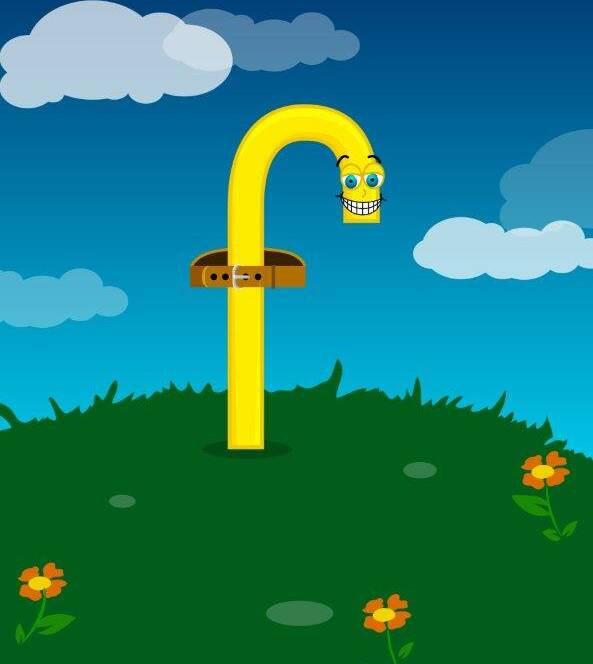
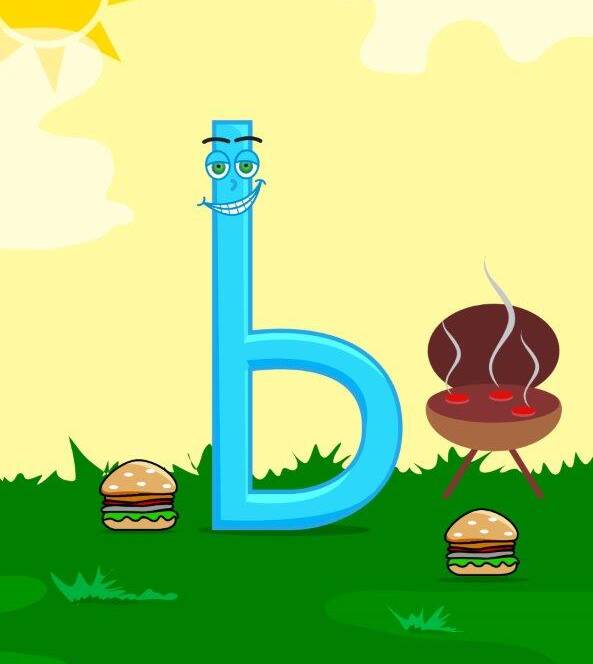
Preschool education is a crucial stage in a child’s development. During these formative years, children begin to develop essential skills, such as language, motor abilities, and social interactions. One of the most important milestones in early education is learning the alphabet, a fundamental step toward literacy. Traditional methods of teaching letters, while effective, can often feel monotonous to young learners. This is where Alphabet Anatomy steps in, offering a fun, engaging, and interactive approach that makes the learning process both enjoyable and effective.
Engagement Through Fun and Creativity
Young children thrive in environments that are engaging, playful, and full of creativity. The Alphabet Anatomy method incorporates colorful, lively illustrations and playful imagery to capture a child’s attention, making learning an enjoyable experience. Instead of simply learning about letters in isolation, children are introduced to letters alongside characters, animals, or objects that begin with that letter. For example, the letter “A” might be paired with an apple, while “B” could feature a bear. These visual representations not only help children remember the letters more easily but also build connections between letters and real-world concepts.
This playful approach fosters excitement and curiosity in children, encouraging them to explore the alphabet at their own pace. By engaging their imagination and senses, Alphabet Anatomy helps preschoolers form positive associations with learning, making them more eager to pick up their next book or educational activity.
Building Stronger Connections Through Visual Learning
Preschoolers are naturally visual learners. Their brains are wired to absorb and process images more easily than abstract concepts, which makes visual learning an ideal method for teaching young children. Alphabet Anatomy leverages this by pairing each letter with a distinct visual representation, turning abstract symbols into something tangible and relatable. This technique enhances memory retention because it taps into the brain’s ability to store and recall visual information more effectively.
By combining letters with pictures of objects or animals, Alphabet Anatomy creates a bridge between letters and the world around the child. This visual connection reinforces learning, as the child can more easily associate the shape and sound of the letter with an image they recognize. For example, associating the letter “D” with a dog or the letter “C” with a cat allows children to see real-world examples of what those letters represent, making the learning process more meaningful and easier to remember.
Interactive Learning for Active Participation
One of the most powerful aspects of Alphabet Anatomy is its interactive nature. Rather than simply being a book that a child looks at, Alphabet Anatomy encourages hands-on learning through activities that engage multiple senses. Children are encouraged to trace the letters, color the illustrations, and even participate in interactive storytelling based on the letters they are learning. This active participation not only reinforces the child’s understanding of the alphabet but also helps them develop fine motor skills, such as hand-eye coordination and pencil control.
Moreover, the hands-on approach fosters a deeper understanding of each letter. When children physically engage with the material by tracing or drawing letters, they not only learn the shapes of the letters but also begin to understand the mechanics of writing. This multi-sensory approach strengthens the child’s ability to recall letters, sounds, and their meanings, providing a well-rounded foundation for literacy.
Supporting Early Literacy Development
Learning the alphabet is the first step toward mastering reading and writing, which are essential skills for academic success. Alphabet Anatomy not only focuses on letter recognition but also introduces children to phonemic awareness the ability to recognize and manipulate sounds in spoken words. By associating each letter with a corresponding sound, children start to build a solid understanding of how letters and sounds work together. This foundational knowledge will be critical when they move on to reading words and sentences.
The interactive nature of Alphabet Anatomy also encourages children to experiment with language, which is vital for early literacy development. As they explore the alphabet through fun and engaging activities, they are laying the groundwork for a future filled with reading and writing success.
Encouraging a Love for Learning
Perhaps one of the most significant benefits of Alphabet Anatomy is that it helps foster a love for learning in young children. By turning the alphabet into a playful, interactive experience, Alphabet Anatomy makes learning feel less like a chore and more like an exciting adventure. When children feel excited and curious about what they are learning, they are more likely to continue seeking knowledge in other areas. This early positive experience with learning helps instill a lifelong love for education.
In conclusion, Alphabet Anatomy is an invaluable tool for enhancing preschool education. Through its fun, creative, and interactive approach, it transforms the process of learning the alphabet into an engaging and enjoyable experience for young children. By building stronger connections through visual learning, encouraging active participation, and supporting early literacy development, Alphabet Anatomy sets the stage for a successful academic journey and a love of learning that will last a lifetime.